March 11, 2026

Learning, Growing, Leading

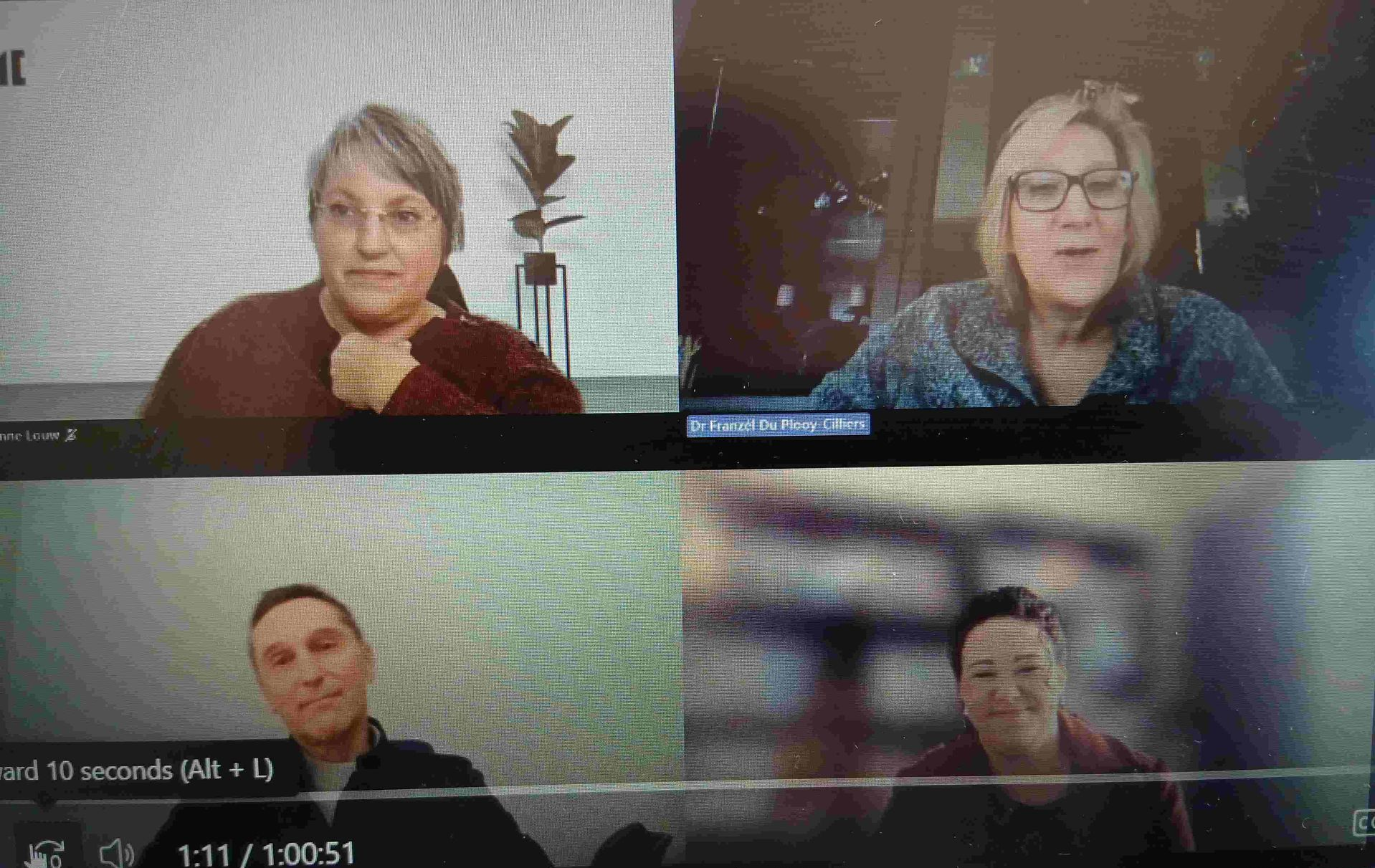
The year is only two months old, yet many SAPHE colleagues have already dived into learning experiences they describe as exciting, enriching, eye-opening, and career-boosting. A range of EDTP SETA-funded qualifications and programmes launched in February, diverse in nature but with a shared goal: to upskill and build capacity, supporting SAPHE colleagues both personally and professionally.


For those with stamina, formal qualifications such as the Postgraduate Diploma in Higher Education and the Occupational Certificate: Training and Development Practitioner got off to a rigorous start. Others opted for bite-sized learning experiences tailored to specific interests—from Research to Diversity, Equity and Inclusion Training, and from Power BI to Leadership Development.

A glimpse at some of the early feedback highlights the impact of these programmes:


Research: “We are not just producing dissertations or theses. We are producing knowledge that can move systems.”

Power BI: “The practical, hands-on approach enhanced my understanding of Power BI’s features and enabled me to create more insightful dashboards that I use daily to support reporting and decision-making at my institute.”


Leadership Development: “My colleagues thoroughly enjoyed the experience and returned with valuable insights. They’re feeling rejuvenated and ready to put their takeaways into practice.”


Diversity, Equity, Inclusion, and Belonging: “It was an incredible programme. I learnt a lot and feel encouraged to incorporate this information into my personal and professional life.”


Other programmes, such as Designing with AI, will be offered later in the year, promising even more opportunities to explore emerging fields and cutting-edge skills.


Reflecting on these initiatives, SAPHE Chair, Dr Carin Stoltz-Urban, says: "What a wonderful opportunity to provide our members with chances to upskill, grow, and develop. We are grateful to the EDTP SETA for the funding that has unlocked this treasure trove of opportunities."


2026 is off to a strong start, and SAPHE colleagues are embracing every opportunity to learn, innovate, and lead in the higher education sector.
January 19, 2026
South Africa celebrates a historic milestone as the Matric Class of 2025 achieves a record 88% pass rate, the highest in the country’s history. SAPHE (South African Private Higher Education Association) congratulates all matriculants on this remarkable achievement, which opens doors to a wide range of higher education opportunities. Approximately 46% of matriculants achieved Bachelor passes, making around 345,000 students eligible to pursue degree studies. While public universities remain a key option offering 235,000 first-year spaces, private higher education institutions (PHEIs) offer an equally robust and accredited pathway for students ready to continue their studies. Flexible Intakes and Learning Options A major advantage of PHEIs is their multiple intakes throughout the year , allowing students to begin their studies at different times of the year. This flexibility ensures that learners can maintain momentum and enrol for higher education qualifications as soon as they are ready. PHEIs also offer flexible learning modes - full-time, part-time, online, or blended - designed to accommodate diverse student needs. Smaller class sizes promote personalised attention , helping students make a smooth transition from school to tertiary education. Curricula are regularly updated to align with industry demands , equipping graduates with the skills employers actively seek. Quality, accreditation, and recognition  All SAPHE member institutions are registered with the Department of Higher Education and Training (DHET) and offer programmes accredited by the Council on Higher Education (CHE) . These qualifications are nationally recognised, ensuring that students receive the same high-quality education as public universities. Registered PHEIs provide full academic legitimacy, and a list of SAPHE members is available on the SAPHE website. Private higher education institutions continue to welcome applications for the 2026 academic year , providing matriculants with immediate access to accredited programmes. PHEIs are a credible, flexible, and high-quality option to consider for students ready to take the next step in their education.
December 3, 2025
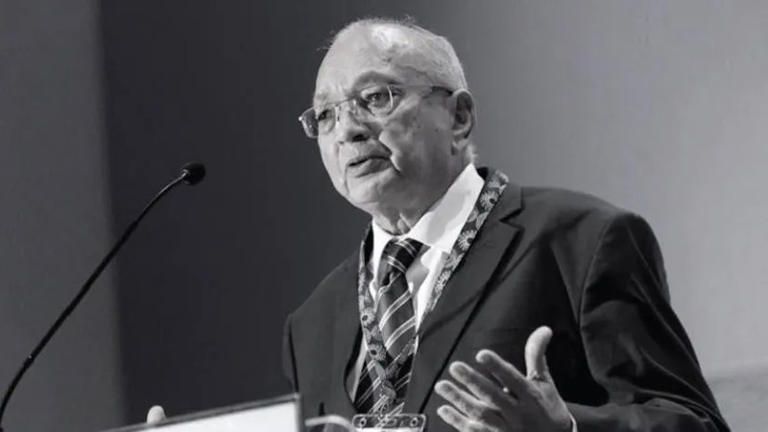
A peek into the future or a glimpse into a novel research project; a celebration of academic excellence or connecting with colleagues – the 3rd SAPHE Conference, held on 5 and 6 November at the IMM Graduate School in Parktown, Johannesburg, was a vibrant Rubik’s cube of colour, choice, and possibilities. Under the theme Leading Innovation in Higher Education: Impacting Locally and Globally , the Conference served as a dynamic platform to explore, reflect on, and challenge thinking about innovation in the sector. Setting the tone with probing questions and scenarios were keynote speakers Mahlubi Chief Mabizela (USAf Director: Operations and Sector Support) and Edward Kieswetter (SARS Commissioner), delivering thought-provoking addresses on their respective days. Following them, two engaging panel discussions – one on the future of private higher education, facilitated by Africa Melane, and the other on the opportunities and challenges of Artificial Intelligence, led by Professor Ben Anderson – sparked lively debates and inspired delegates. The Conference also provided a space to showcase and promote research, with presentations across a range of themes. Delegates participated in two workshops: AI as Research Ally and Quality as Intellectual Curiosity: Rethinking Quality Assurance in Higher Education. Together with the SAPHE Excellence Awards, which celebrate academic excellence in private higher education across Teaching, Learning and Assessment, Research and Innovation, and Community Engagement, the event highlighted innovation, scholarship, and achievement in the sector. SAPHE is grateful to its gold sponsors – Cengage, Opencollab, and Juta – and silver sponsors – Oxford University Press, Van Schaik, and EBSCO – for their generous support, which helped make the Conference possible.  The 3rd SAPHE Conference was not just an event but an experience – a space where ideas, innovation, and collaboration came together to shape the future of private higher education in South Africa.
November 28, 2025
On 21 November 2025, a SAPHE delegation met with the Minister of Higher Education and Training, Mr Buti Manamela, to discuss the role of private higher education institutions (PHEIs) in shaping South Africa’s Post-School Education and Training (PSET) system. Representing SAPHE were Edward Kieswetter, Prof Divya Singh, Prof Ahmed Shaikh, Dr Linda Meyer, and Nancy-Anne Anderson. Minister Manamela acknowledged the important contribution of PHEIs, which account for nearly 30% of higher education enrolments in South Africa. He emphasised the value of their participation in shaping policy, determining the “size and shape” of the system, and strengthening national capacity. The meeting focused on several priority areas, including legislation, articulation pathways, building trust in the system, and industry engagement. Both SAPHE and the Minister highlighted the importance of continued collaboration to ensure a more coherent, inclusive, and responsive higher education sector.  The shared commitment demonstrated during the meeting provides a strong foundation for an ongoing partnership between SAPHE and the DHET, reinforcing the role of private higher education in shaping South Africa’s PSET landscape.