Leading SAPHE into a new era of opportunity
Private higher education in South Africa has experienced remarkable growth over the past decade. As demand for access, flexibility, innovation, and work-ready graduates continues to increase, private higher education institutions are playing an increasingly important role in the country’s higher education landscape.
Reflecting this growth, the South African Private Higher Education Association (SAPHE) has become an influential representative voice for the sector. Through advocacy, collaboration, knowledge-sharing, and engagement, SAPHE continues to promote the contribution of private higher education to national development while supporting quality, innovation, and institutional excellence.
A new phase of growth and influence
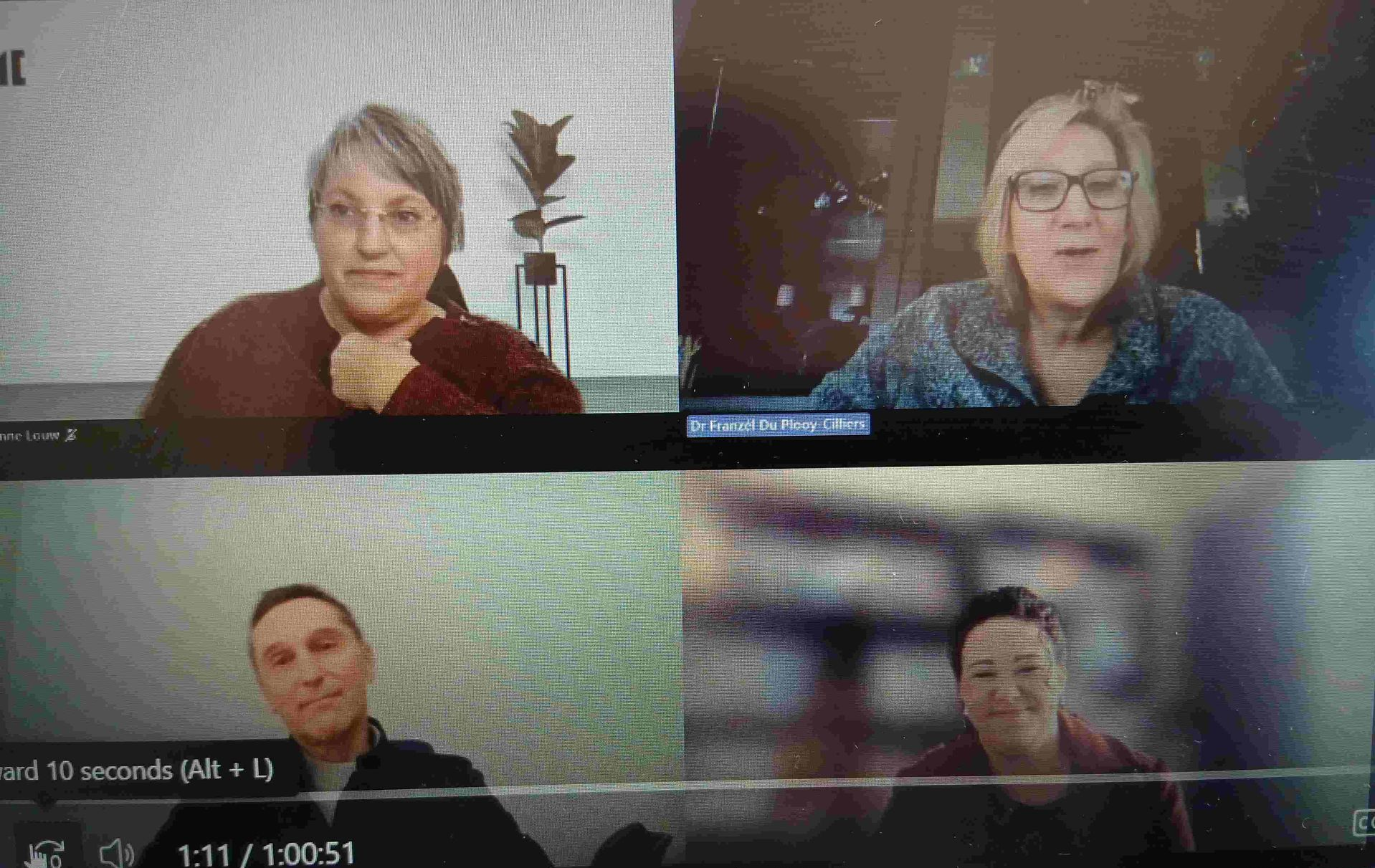
As SAPHE enters a new phase of growth and influence, Dr Franzél du Plooy-Cilliers has assumed the role of Chairperson, succeeding Dr Carin Stoltz-Urban, whose leadership over the past two years has made a significant contribution to both SAPHE and the broader private higher education sector.
During her tenure, Dr Stoltz-Urban championed several initiatives that strengthened SAPHE’s role as a representative body and deepened collaboration among member institutions. Initially serving as a Board member responsible for the Capacity-development portfolio, and later as Chairperson while continuing to lead this portfolio, she introduced the Faranani discussion sessions, oversaw the establishment of active Communities of Practice, and initiated the annual SAPHE Excellence Awards.
Among the most significant recent achievements under her leadership is the sector-wide capacity development project sponsored by the ETDP SETA. The project supported the professional development of staff across the private higher education sector and showed how collaboration can strengthen institutional capacity and quality.
In reflecting on her appointment, Du Plooy-Cilliers emphasises that the role is ultimately one of service to a sector that changes lives through education.
“Education remains one of the most powerful forces for individual and societal transformation. Every student who gains access to quality higher education has the potential to change not only their own future, but also the future of their family, community, and our country. I feel fortunate to be able to contribute to such an important cause at a time of significant opportunity for the sector, and I look forward to working alongside our members and stakeholders to advance opportunities that enable more South Africans to learn, grow, and realise their dreams and potential.”
Collective effort and shared commitment
While leadership transitions provide an opportunity to reflect on the future, Du Plooy-Cilliers emphasises that SAPHE’s achievements have always been the result of collective effort and shared commitment.
“I am fortunate to be supported by an experienced and dedicated Board, an effective SAPHE management team, and member institutions that willingly contribute their expertise, time, and energy in support of the sector. The progress we have made as an association is the result of a shared commitment to strengthening private higher education and the opportunities it creates for students.”
A forward-looking agenda
Looking ahead, Du Plooy-Cilliers believes SAPHE has an important role to play in helping shape a more integrated and responsive higher education system.
“My vision for SAPHE is to strengthen its position as a trusted and respected voice for private higher education, while continuing to build meaningful relationships across the broader higher education community. Private higher education institutions are making a real difference in the lives of students by expanding access, developing skills, supporting innovation, and creating opportunities that might otherwise not exist. As a sector, we have much to contribute, and I believe our contribution will become even more important in the years ahead.”
A key priority for her term will be positioning private higher education within a changing policy environment and promoting parity of esteem across the sector. She also sees opportunities to strengthen articulation and lifelong learning pathways, deepen cooperation across institutions, and support innovation in teaching, learning, and assessment.
At the same time, SAPHE will continue to support its members through advocacy, engagement, research, knowledge-sharing, and capacity development. These priorities are particularly important as institutions respond to technological change, artificial intelligence, micro-credentials, and evolving workforce needs.
Building trust in private higher education
Central to this vision is strengthening confidence in private higher education.
“SAPHE’s role is not only to represent the sector, but also to strengthen confidence in it. We do this by promoting quality, ethical practice, compliance, transparency, and collective responsibility. By building trust, we strengthen the contribution that private higher education can make to South Africa’s educational, social, and economic development.”
The future of SAPHE will be shaped not by any one individual, but by the collective efforts of its Board, management team, and member institutions. Together, they will continue to support institutional excellence, encourage innovation, and contribute to a higher education system that serves both people and society more effectively.
“Ultimately, I want SAPHE to be recognised not only as the representative body for private higher education, but as a constructive partner in building a stronger higher education system for South Africa - one that expands opportunity, develops the skills our country needs, and helps more students realise their potential.”
Du Plooy-Cilliers’s vision is clear: a thriving, innovative, and respected private higher education sector that works with purpose, integrity, and collaboration to expand opportunity, strengthen quality, and contribute meaningfully to South Africa’s future.